Sarasota's Best Tree Care for Residential Tree Care
Professional Tree Removal & Stump Grinding Services: Safely Transform Your Landscape Today
Expert tree removal and stump grinding services play a critical role in sustaining a safe and visually appealing landscape. Dangerous trees can pose significant risks, while stumps can create obstacles and attract pests. Understanding the signs of tree distress and the processes involved in removal and grinding is essential for property owners. As landscapes change, so do the needs for professional intervention. What strategies do experts suggest for ensuring a healthy outdoor environment?
Are Dangerous Trees Affecting Your Safety?
How can one determine if hazardous trees pose a threat to safety? Examining the condition of trees is crucial in pinpointing potential dangers. Factors such as visible decay, dead branches, and leaning trunks can suggest instability. Furthermore, the proximity of trees to structures, walkways, or power lines amplifies the risk of damage during storms or severe weather. Soil erosion around the root system may further compromise a tree's stability, making it more susceptible to falling.
Periodic inspections by professional arborists can offer a comprehensive assessment of tree health and safety. They can spot indicators of disease or infestation that may not be readily apparent. Furthermore, examining the surrounding landscape and its influence on tree stability is crucial. Property owners should stay vigilant and proactive in monitoring their trees to guarantee a safe environment for themselves and their neighbors, thereby stopping potential hazards before they escalate.
Indicators It's Necessary for Tree Removal
Recognizing when a tree should be removed is vital for ensuring safety and property health. Warning signs such as dead or dying branches, along with unstable root systems, signal that a tree may pose a risk. Understanding these warning signals can help homeowners make informed decisions about tree removal.
Deceased or Deteriorating Trees
When trees begin to show signs of decline, such as significant leaf loss or extensive dead branches, it becomes vital for property owners to assess their condition. Dead or dying trees present dangers, such as potential hazards to nearby structures and individuals. Discoloration of leaves, premature leaf drop, and the presence of fungi or mushrooms at the base can indicate decay. Furthermore, a tree with a hollow trunk or large cracks may signify internal damage. Property owners should consult with tree care professionals to evaluate the tree's health and determine the best course of action. Prompt removal can maintain safety and prevent additional damage to the landscape, making it essential to recognize these warning signs immediately.
Damaged Root Systems
The stability of a tree largely depends on a healthy root system, and symptoms of instability may indicate an urgent need for removal. Spotting visible cracks in the soil around a tree's base or exposed roots can reveal that the root system is compromised. Additionally, trees that lean noticeably to one side may have weakened roots incapable of supporting their weight, leaving nearby structures at risk. If a tree experiences abrupt or heavy shedding of leaves, it may signal root stress, potentially leading to its death. Additionally, fungal growth at the base can reveal decay within the root system. Property owners should regularly check their trees and consult professionals if they observe any of these warning signs to maintain safety and preserve the landscape.
What Should You Expect During Tree Removal?
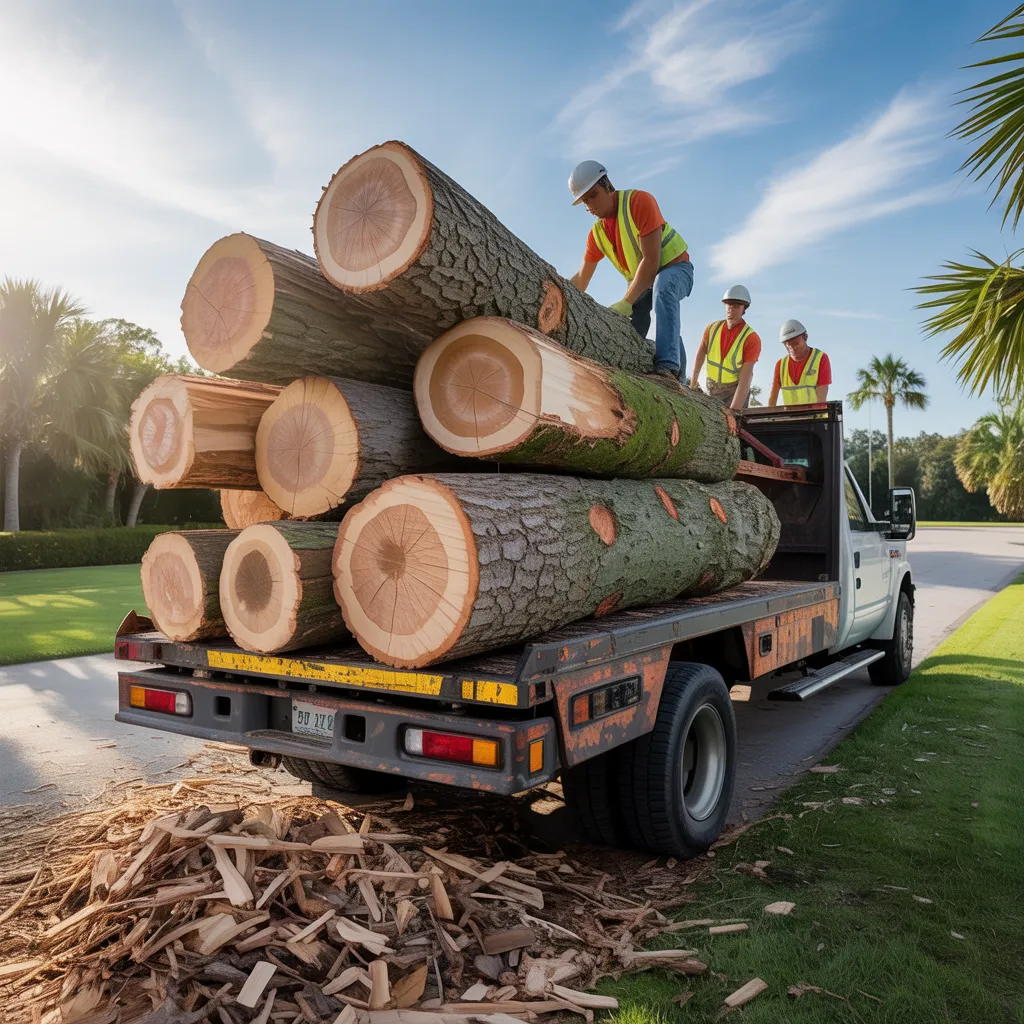
When homeowners get ready for tree removal, they can expect a carefully organized process that prioritizes efficiency and safety. To begin, a professional team will assess the tree's condition and surrounding environment, determining the best approach for removal. This assessment includes identifying potential hazards, such as electrical lines or adjacent buildings.
Once the plan is established, the team will safeguard the vicinity, verifying that bystanders and pets are at a safe distance. The removal process typically begins with removing branches to reduce weight and lower potential hazards.
Next, the trunk is cut down in sections, enabling careful and secure descent. The team will use specialized equipment, such as chainsaws and ropes, to manage the process properly.
When the tree is taken down, they will take care of all debris, making sure the area is left clean. Homeowners can expect professionalism and expertise across the whole procedure, transforming their landscape safely.
What You Need to Know About Stump Grinding
Stump grinding is a crucial step in the tree removal process, often ignored by homeowners. This procedure involves using specialized machinery to grind down the remaining tree stump to below ground level, which minimizes the visual impact on the landscape. Homeowners should understand that stump grinding is not merely aesthetic; it also helps stop potential hazards, such as tripping or damage to lawn equipment. Moreover, removing the stump decreases the risk of pest infestations, as decaying wood can attract insects like termites or carpenter ants.
The grinding process typically involves a professional operator who will inspect the stump's size and location before beginning work. The resulting wood chips can be utilized as mulch or hauled away from the property. It's vital to hire qualified professionals, as incorrect grinding may cause soil erosion or damage to surrounding plants. Homeowners should consider stump grinding an integral part of their tree removal plan.
Why Stump Grinding Matters for Your Landscape
Stump grinding serves an important function in elevating the general aesthetic appeal of a landscape by eliminating unsightly tree stumps. Moreover, it works to prevent pest infestations, as deteriorating stumps can attract unwanted insects and critters. Consequently, implementing stump grinding into landscape maintenance results in a safer and more visually appealing outdoor space.
Improved Visual Beauty
How can the removal of an unsightly tree stump significantly transform a landscape? Stump grinding fulfills an essential purpose in improving the aesthetic appeal of outdoor spaces. By go to article eradicating the remnants of an old tree, homeowners can create a clean and polished look that enhances the overall visual harmony. This process provides seamless landscaping opportunities, making possible the planting of new flora or the installation of decorative features without obstructions. In addition, a stump-free environment encourages a more inviting atmosphere, encouraging social gatherings and outdoor activities. The absence of stumps not only enhances the beauty of the property but also improves accessibility, making it more convenient for residents and visitors to navigate through the landscape. All in all, stump grinding is critical for an attractive and functional outdoor space.
Deterring Insect Infestations
What concealed risks may exist underneath an eyesore tree stump? Tree stumps can serve as breeding grounds for pests such as termites, ants, and beetles. These pests are not just unappealing but may also present serious threats to neighboring plants and even the stability of adjacent structures. As the stump breaks down, it lures these bugs, creating infestations that may transfer to robust trees and plants. Stump grinding properly eliminates this hazard by taking out the stump and its root system, therefore disrupting the dwelling place for pests. Moreover, it promotes a healthier landscape, allowing new plants to thrive without competition from decaying wood. Investing in stump grinding is a preemptive approach in keeping a pest-free and thriving outdoor space.
How to Select the Finest Tree Service Experts
When choosing tree service professionals, what factors should one consider to ensure quality and safety? First, it is vital to verify credentials such as licenses and insurance. Licensed professionals demonstrate compliance with local regulations, while insurance shields from potential liabilities during the job. Next, consider their experience and expertise. Established companies with a solid track record are better positioned to deliver reliable services.
Upon selecting tree service professionals, what factors should property owners evaluate to secure quality and safety? First, it is crucial to verify credentials including licenses and insurance. Licensed professionals exhibit compliance with local regulations, while insurance safeguards against potential liabilities during the job. Next, consider their experience and expertise. Established companies with a solid track record are better positioned to deliver consistent services.
When selecting tree service professionals, what factors should homeowners evaluate to ensure quality and safety? Firstly, it is essential to verify credentials such as licenses and insurance. Licensed professionals demonstrate adherence to local regulations, while insurance guards against potential liabilities throughout the job. Subsequently, consider their experience and expertise. Experienced companies with a strong track record are prone to deliver trustworthy services.
Furthermore, client feedback and testimonials from former clients deliver insights into their quality of work and dependability. Obtaining comprehensive written estimates helps in comparing services and understanding the extent of work. Lastly, investigate the methods and tools used, as modern tools and safety practices ensure a successful outcome. By considering these factors into account, homeowners can make well-informed decisions when hiring tree service professionals, ultimately securing both their property and investment.
Extended Advantages of Tree Removal and Stump Grinding
The long-term advantages of tree removal and stump grinding go far beyond simple visual appeal. By removing dead or diseased trees, homeowners can stop potential hazards, such as falling branches or tree collapse, providing safety for residents and property. Furthermore, removing unwanted tree stumps increases the usability of outdoor spaces, allowing for more convenient landscaping, mowing, and recreational activities.
Furthermore, stump grinding works to reduce pest infestations, as deteriorating stumps can attract insects and rodents. This forward-thinking measure shields surrounding flora and supports a healthier ecosystem. Moreover, the removal of overcrowded trees can increase sunlight penetration and air circulation, promoting better growth for remaining plants.
Ultimately, these tree removal and stump grinding services lead to a easier to manage landscape, minimizing upkeep requirements and expenses. In general, these services encourage a safer, more vibrant, and better-looking outdoor environment.
Common Questions
How Do I Prepare My Yard for Tree Removal?
To prepare for tree removal, one should eliminate any obstacles in the area, identify the tree's perimeter, assess nearby structures, and notify neighbors. Maintaining safety and access is vital for an smooth removal process.
Will Homeowners Insurance Pay for Tree Removal?
Based on the circumstances, tree removal could be covered by homeowners insurance. Most policies cover storm damage or hazards, but not preventative tree removals. Homeowners should review their policy or consult their insurance agent for specifics.
Can I Plant Trees After Having a Stump Ground?
Absolutely, new trees can be planted after stump grinding. Nevertheless, we recommend you wait several weeks for the area to stabilize and make sure that any leftover roots won't hinder new growth.
What Becomes of the Soil After Stump Grinding?
After stump grinding, the soil often becomes loosened and enhanced with natural nutrients from broken-down wood. Nevertheless, it might need supplementary amendment for best nutrient balance to promote new plant growth effectively in the area.
How Long Will Tree Removal Take?
Removing a tree generally takes a few hours to a full day, based on elements including tree size, location, and complexity. Experts evaluate these variables to offer an accurate estimate for the entire process.